
EMS SOLUTIONS
Storage Station EMS
Station-level EMS for large storage plants
For independent, grid-side, and centralized storage plants, organized around multi-PCS coordination, battery clusters, dispatch records, alarm closure, and station reports.
EMS SOLUTION
Solution Overview
EMS SOLUTION
Customer Pain Points
Many devices and layers
Operators need station, cabin, cluster, and device-level views.
Battery clusters require continuous attention
Cluster differences, temperature, SOC, and BMS alarms must be tracked over time.
PCS and dispatch records are scattered
PCS, metering, protection, and dispatch records need one management view.
Alarm volume is high
Alarms must be classified, located, acknowledged, and closed.
Troubleshooting paths are long
Operators need to move from station anomalies to a cabin, cluster, or device quickly.
Records must be retained
Plans, dispatch commands, reports, and alarm handling records need traceability.
EMS SOLUTION
Solution Description
Storage station EMS is built for large-capacity plants. It organizes PCS arrays, BMS, battery clusters, step-up transformers, protection devices, meters, thermal systems, and fire safety by station, cabin, and cluster.
The focus is multi-PCS coordination, battery cluster consistency, charge/discharge plans, grid-point power, dispatch records, and alarm closed-loop processing.
Operation reports, alarm handling records, and dispatch-related logs are retained for long-term O&M, maintenance review, and grid-side communication.
EMS SOLUTION
System Architecture
DEV
01Device Layer
Field devices, metering, thermal, and protection units are connected.
Multi PCSBattery ClustersBMSStep-up TransformerProtection IEDFire SafetyAuxiliary Systems
NET
02Communication Layer
Industrial protocols collect data and deliver control commands.
IEC104Modbus TCPEthernet ring network
EMS
03Platform Layer
Acquisition, strategy, alarms, reports, and station logic are unified.
Station acquisitionMulti-PCS coordinationAlarm classificationPlan managementDispatch records
APP
04Application Layer
Business views are provided for owners, operators, and O&M teams.
Plant overviewCluster statusGrid-point powerAlarm closureOperation reports
EMS SOLUTION
Core Features
Station overview
Show plant power, SOC, available capacity, grid-point power, and key alarms.
Multi-PCS monitoring
View PCS-array power distribution, running state, and power-limit reasons.
Battery cluster tracking
Inspect SOC, temperature, alarms, and consistency by rack, cluster, and BMS layer.
Charge/discharge plan management
Record plan issue, execution state, and deviation.
Dispatch record retention
Keep records related to external dispatch or grid-point power control.
Alarm closed loop
Manage alarms by device, severity, state, and handling progress.
Auxiliary system monitoring
Connect thermal, fire safety, protection, and station auxiliary power systems.
Station reports
Export energy, power, runtime, alarm, and plan-execution reports.
EMS SOLUTION
Solution Highlights
Organized by station, cabin, and cluster
Organizes device access, strategy execution, and operation review around Organized by station, cabin, and cluster.
Covers multi-PCS and multi-BMS plants
Organizes device access, strategy execution, and operation review around Covers multi-PCS and multi-BMS plants.
Retains dispatch and plan-execution records
Organizes device access, strategy execution, and operation review around Retains dispatch and plan-execution records.
Alarm handling supports closed-loop review
Organizes device access, strategy execution, and operation review around Alarm handling supports closed-loop review.
Designed for long-term large-storage O&M
Organizes device access, strategy execution, and operation review around Designed for long-term large-storage O&M.
Can reserve AGC / AVC or dispatch interfaces
Organizes device access, strategy execution, and operation review around Can reserve AGC / AVC or dispatch interfaces.
EMS SOLUTION
Application Scenarios
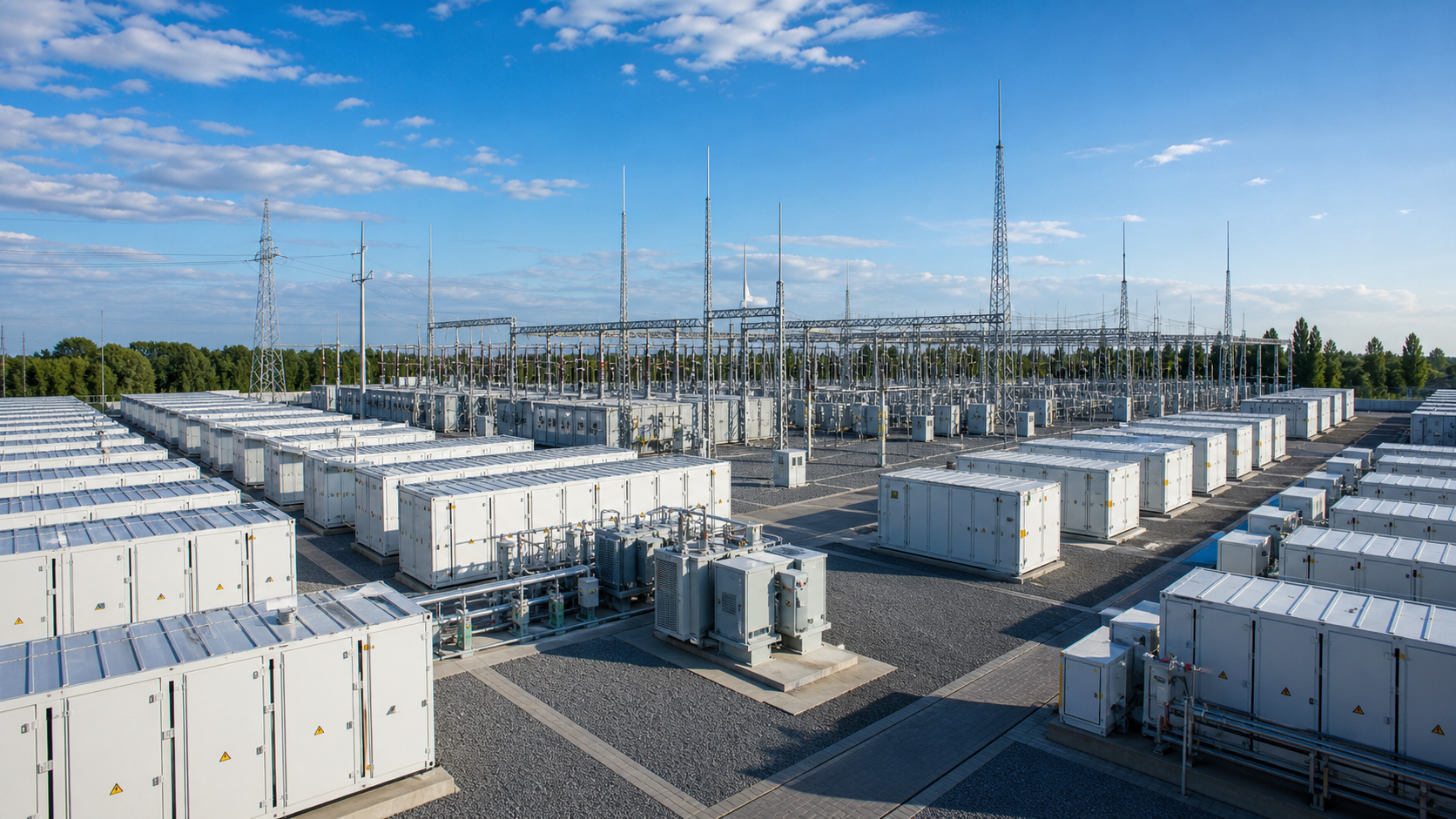
Utility Storage Plant
Shows multi-PCS operation, transformers, dispatch plans, and station alarms.
Grid-Side Storage
Connects protection, metering, and dispatch records for station-level analysis.
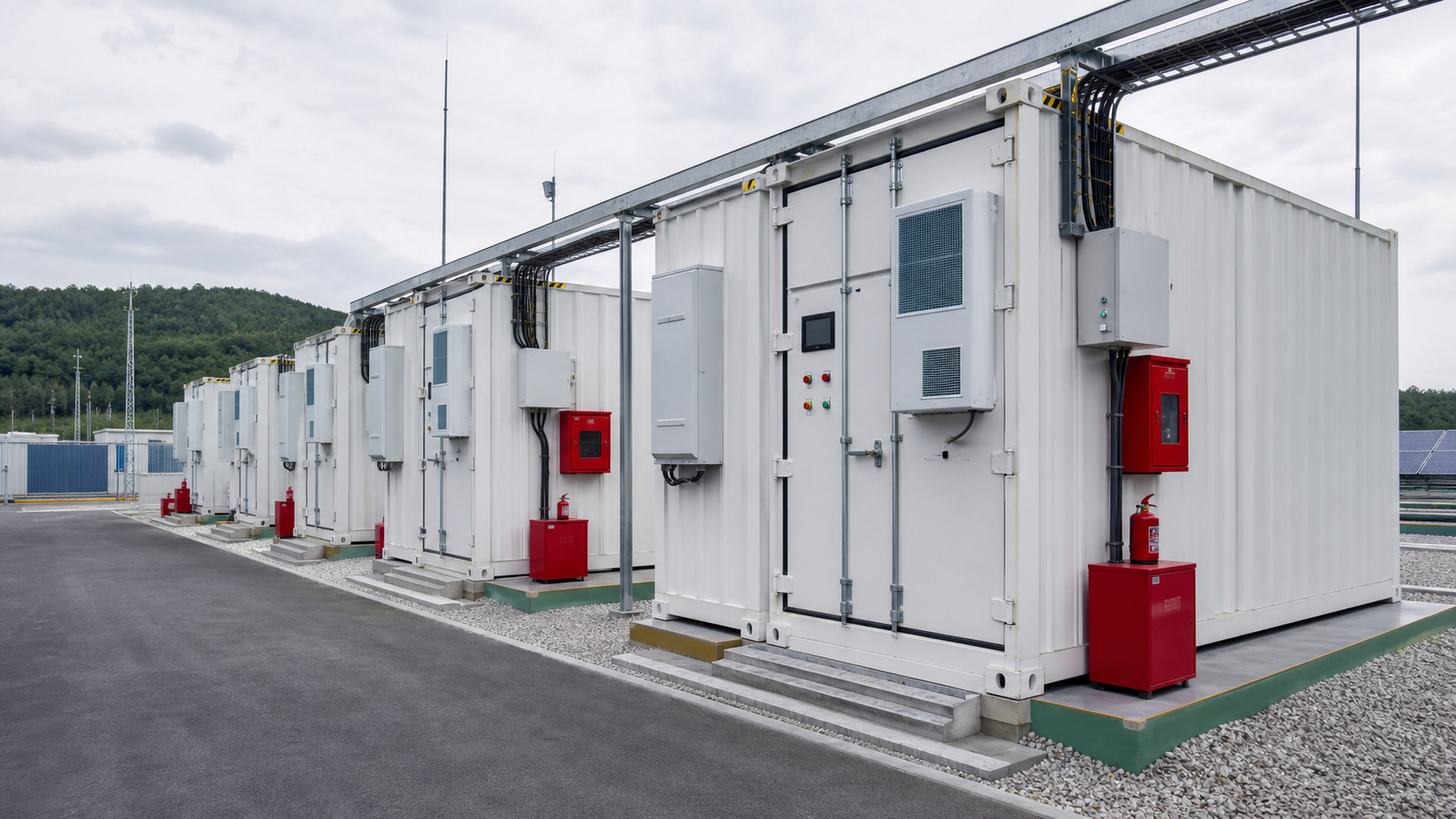
Multi-Cluster Project
Focuses on cluster status, SOC distribution, and alarm closure.
EMS SOLUTION
Implementation Benefits
Give operators a fast station-level view of plant operation.
Track battery clusters, thermal systems, fire safety, and PCS alarms.
Use severity, location, and closure records to reduce ineffective checks.
Retain plans, commands, execution results, and grid-point power records.
Bring PCS, BMS, metering, and auxiliary systems into one platform.
Use reports and alarm history for maintenance and shift handover.
GET EMS SUPPORT