EMS SOLUTIONS
PV-Storage-Charging EMS
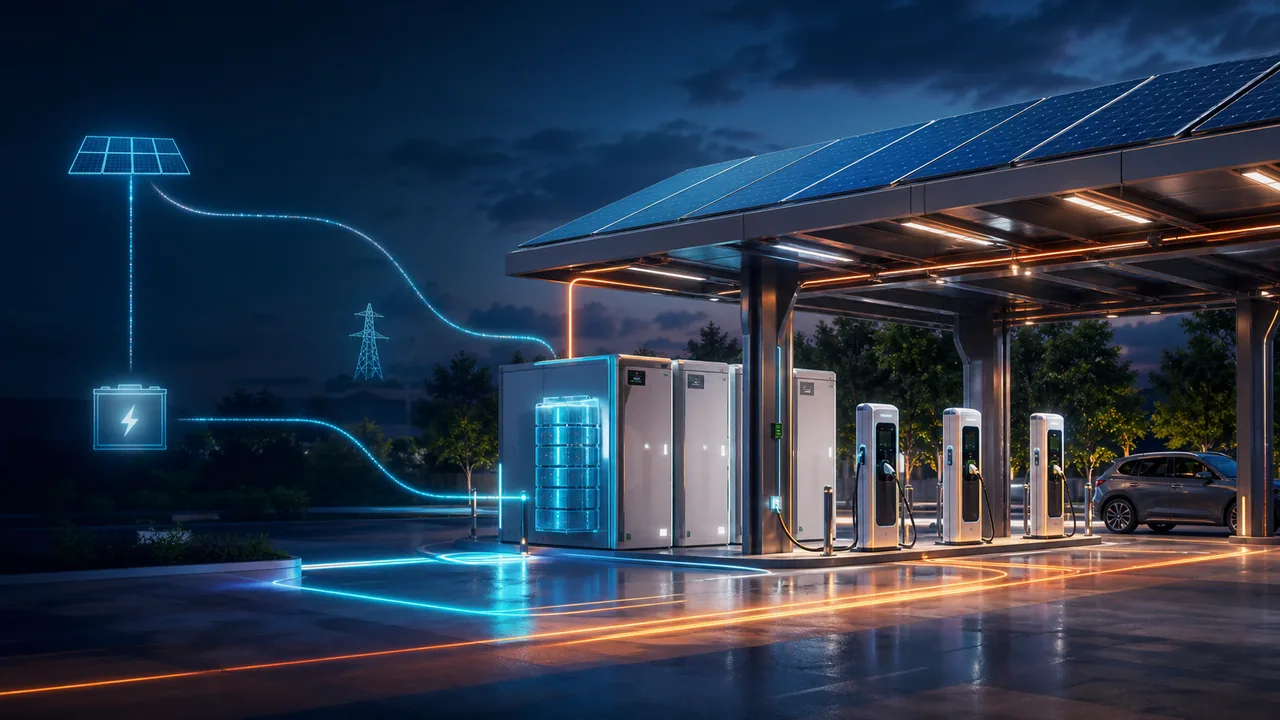
PV, storage, and charging-load coordination for stations
For PV carports, fast-charging stations, and park charging sites, focusing on charging-load peaks, transformer capacity, storage peak shaving, and station energy flow.
EMS SOLUTION
Solution Overview
EMS SOLUTION
Customer Pain Points
Charging load fluctuates sharply
Vehicle charging can raise station power quickly and create peaks.
Transformer capacity is under pressure
Fast-charging scenarios raise requirements for distribution capacity and grid access.
PV, storage, and chargers are hard to coordinate
Independent operation makes station-level energy strategy difficult.
Storage is needed during charging peaks
Storage support must be visible when peak shaving is expected.
Energy cost and charging service both matter
Operators need to balance cost and charging availability.
Integrated operation view is missing
Charging orders, charging power, PV output, and storage power need one view.
EMS SOLUTION
Solution Description
PV-storage-charging EMS is not just PV-storage monitoring. It brings EV charging power, PV output, storage dispatch, station load, and grid-point power into one station energy-flow view.
The system focuses on charging-load peaks and transformer capacity pressure, helping review how storage supports peak shaving during charging peaks and absorbs PV output during high-generation periods.
Operators can view charging service capability, energy cost, storage operation, and PV consumption together for station energy strategy review.
EMS SOLUTION
System Architecture
DEV
01Device Layer
Field devices, metering, thermal, and protection units are connected.
PV InverterStorage SystemChargersGrid MeterStation Loads
NET
02Communication Layer
Industrial protocols collect data and deliver control commands.
OCPP / charging interfaceModbus TCPMQTTEthernet / 4G
EMS
03Platform Layer
Acquisition, strategy, alarms, reports, and station logic are unified.
Charging-load acquisitionPV-storage coordinationCapacity monitoringEnergy-flow calculationCost analysis
APP
04Application Layer
Business views are provided for owners, operators, and O&M teams.
Station energy flowPeak power monitoringStorage peak-shaving reviewPV local useOperation reports
EMS SOLUTION
Core Features
Charging-load monitoring
View total charging power, charger-level power, and station load changes.
Storage peak-shaving support
Review how storage discharge affects grid-point power during charging peaks.
PV local consumption
Show how PV generation serves chargers or is absorbed by storage.
Capacity pressure analysis
Review transformer, grid-point, and charging-load curves together.
PV-storage-charging energy flow
Show PV, storage, grid, station load, and vehicle charging in one diagram.
Power-linkage records
Record changes between charging power and storage power for strategy review.
Energy cost analysis
Summarize station purchase energy, PV consumption, and storage charge/discharge data.
Linked alarm view
Correlate charger, PCS, BMS, and meter alarms.
EMS SOLUTION
Solution Highlights
Charging load is central, not hidden behind PV-storage data
Organizes device access, strategy execution, and operation review around Charging load is central, not hidden behind PV-storage data.
Fits fast-charging and park charging scenarios
Organizes device access, strategy execution, and operation review around Fits fast-charging and park charging scenarios.
Focuses on transformer capacity and peak power
Organizes device access, strategy execution, and operation review around Focuses on transformer capacity and peak power.
Shows PV-storage-charging relationships with station energy flow
Organizes device access, strategy execution, and operation review around Shows PV-storage-charging relationships with station energy flow.
Balances energy cost and charging service capability
Organizes device access, strategy execution, and operation review around Balances energy cost and charging service capability.
Supports review of charger power and storage power linkage
Organizes device access, strategy execution, and operation review around Supports review of charger power and storage power linkage.
EMS SOLUTION
Application Scenarios
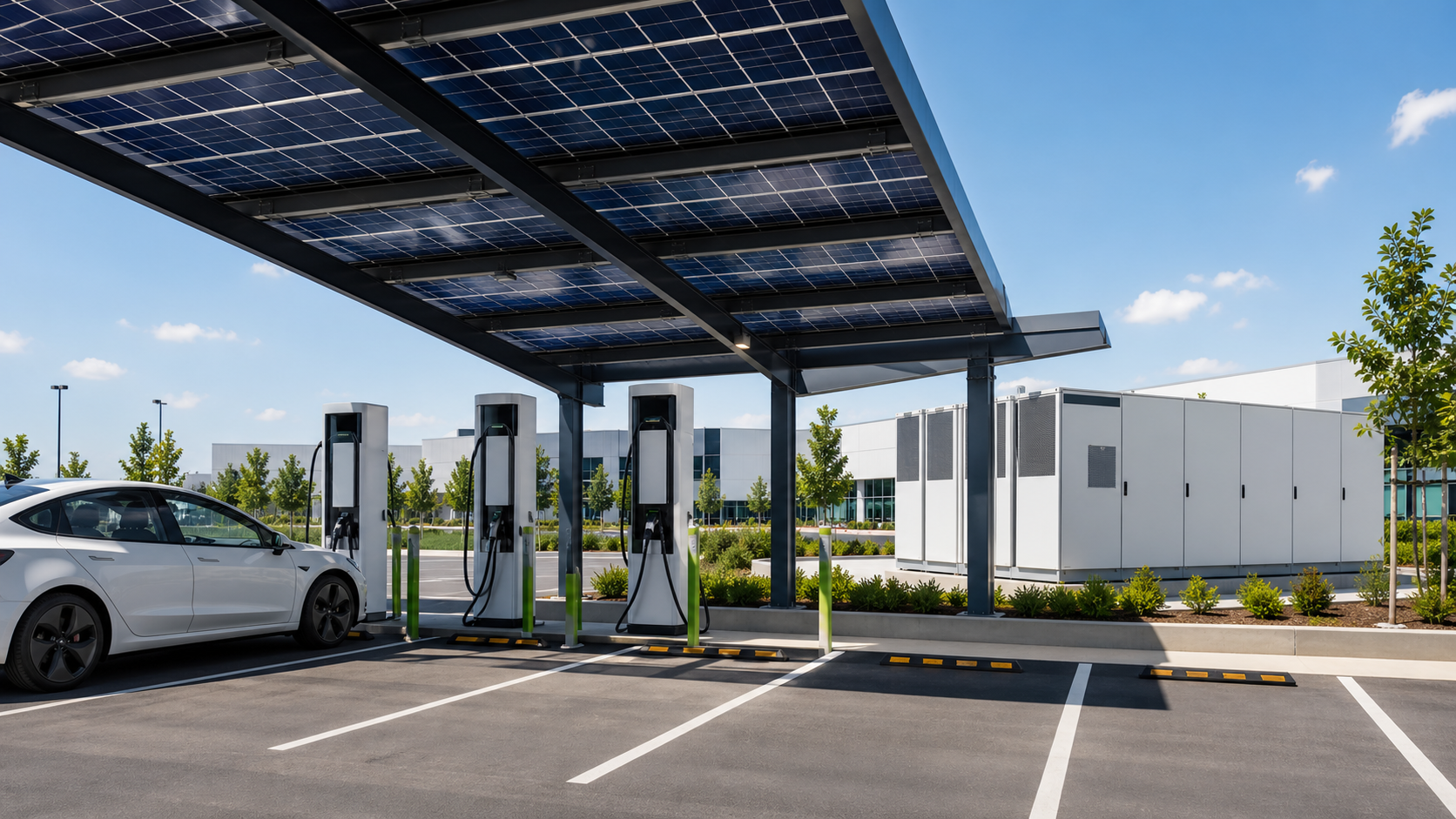
Park Charging Station
Coordinates charging load, storage peak shaving, and transformer capacity.
PV Carport Charging
Combines carport PV, storage, and chargers into one energy-flow view.
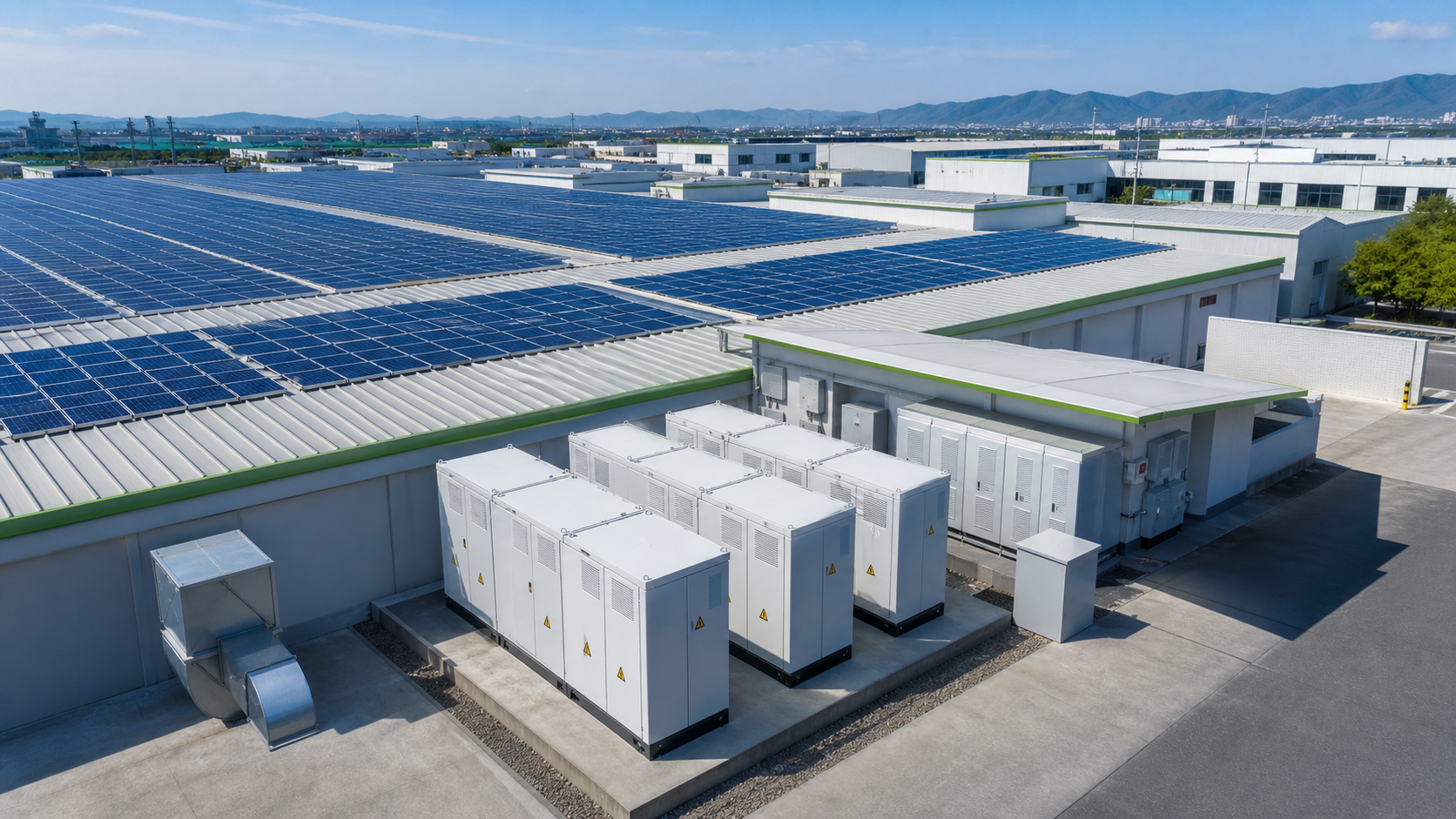
Fast-Charging Storage
Supports power allocation, storage buffering, and station monitoring.
EMS SOLUTION
Implementation Benefits
Use storage operation records to review station power smoothing during charging peaks.
Let PV generation serve charging load or storage first when conditions allow.
Use charging-load and grid-point power curves for expansion judgement.
Put energy data and charging load into one report system.
Review cross-device context when charging power is limited or storage does not respond.
Build a shared view for energy strategy and operation quality across charging sites.
GET EMS SUPPORT